

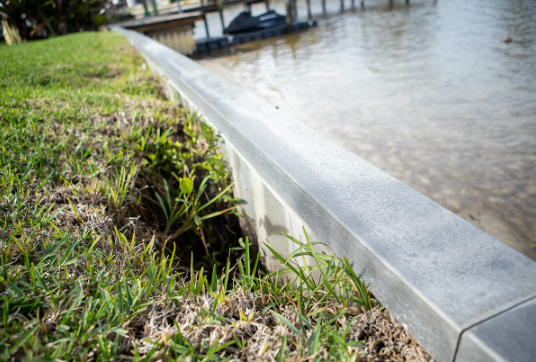
Seawalls play an important role in protecting coastal areas from the strong forces of waves, tides, and storms. They act as barriers that keep the sea from washing away land, homes, and roads near the shore. However, over time, seawalls can become damaged due to constant exposure to saltwater, changing weather, and pressure from the sea.
When a seawall starts to weaken or erode, it can no longer do its job properly. This is why seawall erosion repair is extremely important. Timely maintenance not only keeps the coast safe but also helps avoid expensive rebuilding in the future.
Understanding Seawall Erosion
Erosion is a natural process where soil and rocks are worn away by water or wind. When this happens to a seawall, it means the structure is slowly losing its strength and stability. Cracks may appear, small pieces might break off, or the wall may lean due to pressure from waves.
Saltwater also causes corrosion, which weakens the materials holding the seawall together. Understanding how seawall erosion happens helps homeowners and communities take quick action to fix the problem before it gets worse.
Protecting Property and Infrastructure
One of the main reasons seawall erosion repair is important is because it protects property and infrastructure near the shore. Many homes, roads, and businesses are built close to the water for easy access and beautiful views.
But without a strong seawall, these structures are at risk. When a seawall fails, rising tides and waves can wash away soil beneath buildings, causing the ground to sink and foundations to weaken. Repairing seawall erosion ensures that the wall stays strong enough to keep land and structures stable.
Preventing Environmental Damage
Erosion does not only harm man-made structures but also affects the surrounding environment. When a seawall breaks down, it can cause soil and debris to enter the water, harming marine plants and animals.
Sediment in the water can block sunlight and reduce oxygen levels, which makes it difficult for fish and other sea creatures to survive. Repairing seawall erosion helps control the flow of water and prevents soil from washing into the ocean.
Reducing Long-Term Costs
Some people delay seawall repair because they think it will save money, but ignoring the problem usually leads to much higher costs later. Small cracks or signs of erosion can quickly grow into major structural damage if left untreated.
Once the seawall collapses, rebuilding it becomes far more expensive and time-consuming. Regular inspections and early repairs keep costs under control by fixing minor issues before they turn serious.
Ensuring Safety for the Community
A damaged seawall can be a serious safety risk for the community living near the coast. When seawalls erode, they can suddenly give way during storms or high tides, putting people and property in danger.
Flooding caused by seawall failure can lead to road closures, damaged utilities, and even loss of life in severe cases. Repairing seawall erosion ensures the safety of everyone in the area by keeping the barrier strong and reliable.
Conclusion
Seawall erosion repair is not just about fixing cracks or patching holes; it is about protecting the land, people, and environment that depend on a strong coastline. Regular maintenance keeps seawalls in good shape, reduces long-term costs, and prevents disasters caused by erosion and flooding.
Ignoring early signs of damage can lead to serious problems that affect both property and the community. By investing in proper seawall repair, we protect our coasts, our homes, and our future generations from the powerful forces of nature.