

Most commercial property owners rarely see the condition of their roof until something goes wrong. A leak appears after heavy rain, water begins dripping through the ceiling, or blocked gutters cause overflow down the building facade. By the time these problems become visible, the roof may have been deteriorating for months.
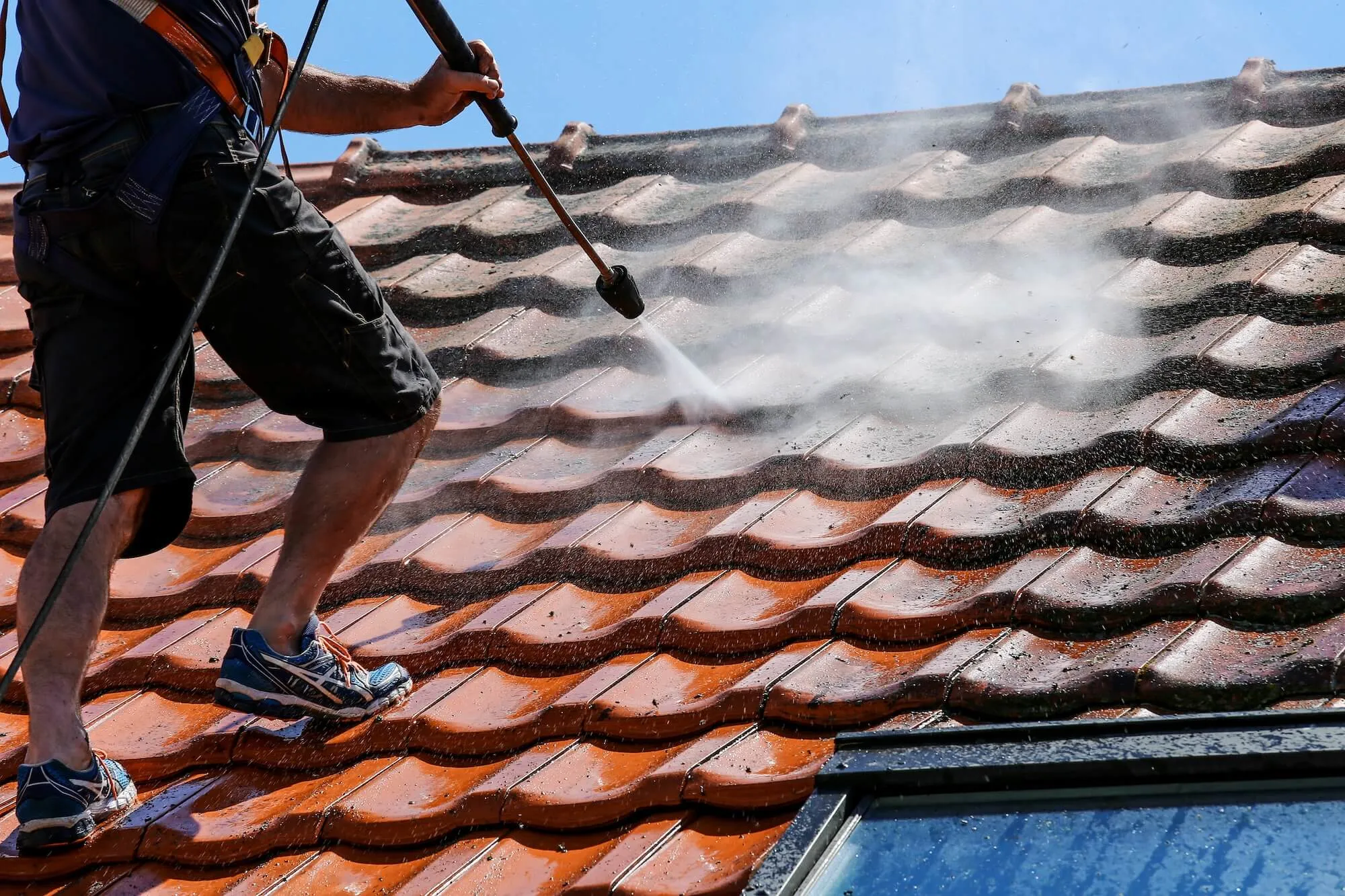
Routine roof cleaning Sydney commercial services are one of the simplest ways to prevent these issues. Clearing debris, removing organic growth, and inspecting drainage systems before the wet season can help extend the life of roofing materials and reduce the likelihood of unexpected repairs. When combined with professional commercial roof moss removal Sydney, regular roof maintenance becomes an important part of protecting the entire building.
Why Roofs Are Often the Most Neglected Part of a Building
Unlike building entrances or facades, roofs are out of sight and easy to forget. As a result, maintenance is frequently delayed until there is obvious water damage inside the property.
Over time, leaves, dust, branches, bird nests, and other debris accumulate on commercial roofs. Gutters and downpipes gradually become blocked, preventing rainwater from draining efficiently. During heavy storms, this trapped water can overflow or pool on the roof, increasing the risk of leaks and premature deterioration.
Regular cleaning removes these materials before they begin affecting the roof’s performance.
Moss Is More Than a Cosmetic Problem
Moss, algae, and lichen often appear harmless, but they can create long-term maintenance issues if ignored.
Moss retains moisture against roofing materials, preventing surfaces from drying properly after rainfall. Over time, this constant dampness may weaken protective coatings, damage roofing membranes, and create favourable conditions for mould and corrosion.
This is why commercial roof moss removal Sydney should be viewed as preventative maintenance rather than simply improving the appearance of the roof.
Ignoring moss growth may eventually lead to more extensive repairs that could have been avoided through routine maintenance.
Warning Signs That Your Roof Needs Attention
Commercial roofs usually provide early warning signs before major failures occur. Property owners should arrange an inspection if they notice:
-
Water overflows from gutters during rain.
-
Moss or algae spreading across roof surfaces.
-
Plants growing in gutters or drainage channels.
-
Water stains appearing on ceilings.
-
Damp patches near roof penetrations.
-
Loose debris is collecting around drainage outlets.
Addressing these issues early helps reduce the likelihood of emergency repairs during periods of heavy rainfall.
Why Timing Matters
Many maintenance contractors experience increased demand after severe storms because property owners wait until problems become urgent. Scheduling roof cleaning before the rainy season provides several advantages.
Maintenance teams have better weather conditions to work safely, blocked drainage systems can be cleared before heavy rainfall begins, and any damaged roofing components can be repaired without the pressure of an active leak.
Planning maintenance ahead of seasonal weather also helps businesses avoid unexpected disruptions during busy periods.
Roof Cleaning Supports the Entire Building
A well-maintained roof protects much more than the area directly beneath it. Effective drainage prevents water from flowing down external walls, reducing the risk of facade staining, moisture penetration, and deterioration around windows and expansion joints.
Regular roof maintenance also creates opportunities to identify loose flashings, damaged sealants, deteriorating penetrations, or early signs of waterproofing failure before these defects affect other parts of the building.
Rather than treating the roof as a separate maintenance item, property owners should view it as a key component of the building’s overall performance.
Building a Preventative Maintenance Schedule
Roof cleaning should be scheduled based on the building’s environment rather than waiting for visible problems to develop.
Buildings located near trees, industrial areas, or coastal environments generally require more frequent maintenance because debris, salt deposits, and airborne contaminants accumulate more quickly.
Including roof inspections within an annual maintenance program allows property owners to monitor drainage systems, roofing materials, and surface conditions throughout the year. This proactive approach helps reduce reactive maintenance and supports more accurate budgeting for future repairs.
Conclusion
Commercial roofs quietly protect buildings every day, but they also require regular care to continue performing effectively. Investing in roof cleaning Sydney commercial before the rainy season helps prevent blocked drainage, standing water, and premature roof deterioration.
Likewise, scheduling commercial roof moss removal Sydney reduces moisture retention and helps preserve roofing materials for longer. Together, these services form an essential part of a preventative maintenance strategy, helping commercial property owners avoid costly repairs, improve building performance, and protect their investment throughout the year.