

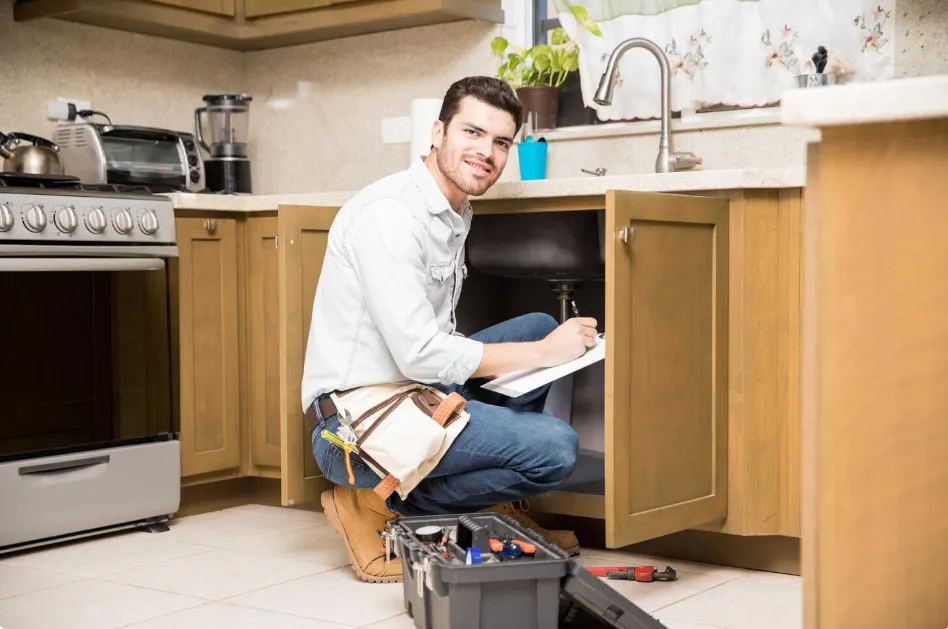
A slow water leak may not seem like an urgent problem. It might be a dripping faucet, a tiny pipe leak under the sink, or a damp spot that appears once in a while. Because the damage often develops gradually, it’s easy to put off repairs. However, delaying action can lead to expensive consequences that affect both your home and your finances. If you notice signs that point to a hidden plumbing issue, scheduling professional water leak repair Canton, GA can help prevent much larger problems.
Many homeowners don’t realize how quickly a small leak can turn into a major repair. Water has a way of finding the weakest points in your home, and over time, even a minor leak can damage materials that are costly to replace. Understanding the true cost of ignoring a slow water leak can help you make smarter decisions before the problem gets worse.
Why Slow Water Leaks Are Often Overlooked
Unlike burst pipes or flooding, slow leaks usually don’t demand immediate attention. They often remain hidden behind walls, beneath flooring, or inside cabinets for weeks or even months.
Some common reasons slow leaks go unnoticed include:
● The leak produces little or no visible water.
● Water stains appear gradually.
● Utility bills increase so slowly that the change isn’t obvious.
● Hidden plumbing isn’t inspected regularly.
Because these leaks are less dramatic, homeowners often underestimate the amount of damage they can cause.
Higher Water Bills Over Time
One of the earliest financial impacts of a slow leak is an increase in your monthly water bill. Even a small amount of wasted water can add up over time.
A constantly dripping fixture or leaking pipe wastes water every hour of every day. Although the monthly increase may seem minor at first, the total cost over the course of a year can be significant. Paying for water you never intended to use is an unnecessary expense that continues until the leak is repaired.
Regularly reviewing your water usage can help you spot unusual increases before they become expensive.
Structural Damage Can Become Costly
Water is one of the most damaging elements inside a home because it weakens many common building materials.
Over time, a slow leak may affect:
● Drywall
● Wood framing
● Flooring
● Cabinets
● Ceilings
● Insulation
As moisture spreads, these materials may warp, rot, swell, or lose their structural integrity. What starts as a relatively inexpensive plumbing repair can eventually require major reconstruction if the damage reaches multiple areas of the home.
The longer moisture remains trapped, the more extensive—and expensive—the repairs often become.
Mold Growth Creates Additional Problems
Mold thrives in dark, damp environments, making hidden leaks an ideal source of moisture.
Once mold begins to grow, it can spread behind walls, under flooring, and inside insulation without being immediately visible. Besides damaging building materials, mold may also affect indoor air quality and require professional remediation.
Removing mold is typically far more expensive than fixing the original plumbing leak. Addressing water issues early helps reduce the conditions that allow mold to develop in the first place.
Damage to Personal Belongings
Water damage isn’t limited to the home’s structure. Slow leaks can also ruin valuable personal items stored nearby.
Items commonly affected include:
● Furniture
● Clothing
● Electronics
● Family photographs
● Books and important documents
● Storage boxes
Many sentimental items cannot be replaced, even if insurance helps cover some financial losses.
Keeping storage areas dry and responding quickly to signs of moisture can help protect valuable belongings.
Hidden Leaks May Attract Pests
Moist environments attract certain insects and pests looking for water sources.
Leaks inside crawl spaces, basements, or wall cavities may encourage:
● Cockroaches
● Silverfish
● Termites
● Rodents
Some pests, particularly termites, can cause additional structural damage by feeding on damp wood. This creates another layer of repair costs that could have been avoided by fixing the leak earlier.
Small Plumbing Problems Often Become Larger Ones
A slow leak is often a symptom of a larger plumbing issue developing behind the scenes.
For example:
● Pipe corrosion may continue spreading.
● Loose fittings may eventually fail.
● Water pressure problems may worsen.
● Small cracks can grow into burst pipes.
Waiting until a pipe completely fails usually means dealing with emergency repairs, water cleanup, and property damage all at once.
Fixing a minor leak early is almost always simpler and less disruptive than responding to a plumbing emergency.
Signs You Shouldn’t Ignore
Many slow leaks provide subtle warning signs before serious damage occurs.
Watch for:
● Unexpected increases in your water bill
● Water stains on ceilings or walls
● Peeling paint or bubbling wallpaper
● Damp or warped flooring
● Musty odors
● Reduced water pressure
● The sound of running water when fixtures are off
If you notice any combination of these symptoms, it’s worth having your plumbing system inspected before the problem escalates.
Preventing Expensive Water Damage
The good news is that many costly repairs can be avoided with early detection and routine maintenance.
Simple steps include:
● Inspect exposed plumbing regularly.
● Check under sinks for moisture.
● Monitor your water bill each month.
● Repair dripping faucets promptly.
● Replace aging plumbing components when necessary.
● Address water stains as soon as they appear.
Professional inspections can also help identify hidden leaks that aren’t visible during everyday use, allowing repairs to be made before significant damage occurs.
Conclusion
Ignoring a slow water leak may seem harmless in the short term, but the long-term costs can be substantial. Higher utility bills, structural damage, mold growth, ruined belongings, pest problems, and emergency plumbing repairs all become more likely when small leaks are left untreated.
The best approach is to treat even minor plumbing issues seriously. Identifying and repairing leaks early helps protect your home, preserve its value, and prevent unnecessary expenses. A small repair today can often prevent a much larger project tomorrow.