

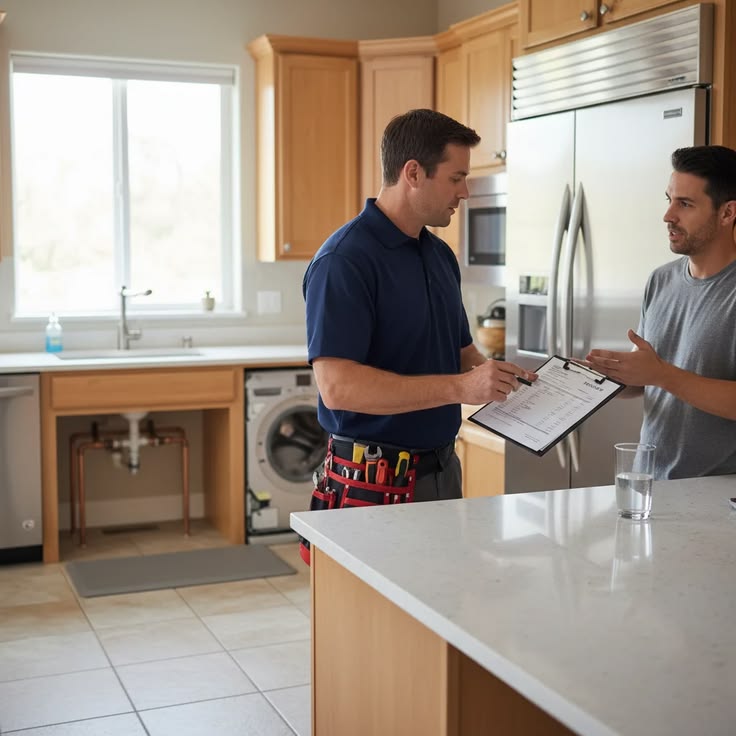
Owning rental property is easier when maintenance is handled as an ongoing habit instead of a rushed project before an official visit. For Olympia landlords, working with Rental Inspection Specialists can be smoother when the property is already being checked regularly for basic safety, function and repair needs. A simple routine helps owners catch small problems early, communicate better with tenants and avoid the scramble that often happens when an inspection date gets close.
Think in Seasons, Not Just Inspection Dates
Olympia’s wet winters and changing seasons can expose problems that are easy to miss during a quick walk-through. Rather than waiting for a formal inspection notice, landlords can divide maintenance into seasonal checks. Fall is a good time to look at exterior drainage, heating, and weather sealing. Spring can be used to review moisture-prone areas, exterior surfaces, and anything affected by winter weather.
This approach spreads work across the year. It also gives owners time to plan repairs instead of paying for emergency fixes at the last minute.
Keep Safety Items Easy to Verify
Basic safety features should never be difficult to locate or test. Smoke alarms, carbon monoxide alarms, accessible exits, stair rails and other required safety elements should be part of a normal property-management routine.
The goal is not to perform a professional inspection yourself. It is simply to notice obvious issues before they become larger ones. If a detector is missing, a handrail feels loose or stored items block an exit route, those are practical maintenance concerns that can often be addressed quickly.
Create a Simple Repair Tracking System
A landlord does not need complicated software to stay organized. A shared spreadsheet, maintenance app, or property folder can work well if it is updated consistently. Record the date a concern was reported, what was found, who completed the repair, and whether follow-up is needed.
Photos can also help document changes over time. The value of good records is not just administrative. They help owners see patterns. A repeated leak, recurring electrical complaint or frequently sticking window may point to a deeper issue that deserves more than another temporary fix.
Make Compliance Part of Normal Management
Rental Registry Compliance becomes much easier when the property is managed with local health and safety expectations in mind throughout the year. Instead of treating the registry inspection as a separate event, landlords can use it as one more checkpoint within an existing maintenance plan.
That means keeping important areas accessible, staying current on repairs and reviewing official City of Olympia guidance before a scheduled inspection. Requirements can change and individual properties may have different circumstances, so current city information should always take priority over an old checklist saved in a file.
Communicate Before Small Problems Grow
Tenants often notice changes before owners do. A dripping faucet, outlet that feels loose, window that no longer closes properly or heater that behaves differently may seem minor at first. Encouraging tenants to report these concerns early can prevent larger repairs later.
Communication should also be clear when access is needed for maintenance or an inspection. Giving appropriate notice, explaining the purpose of the visit, and keeping the appointment focused can make the process less disruptive for everyone involved.
Review the Property as a System
It is tempting to fix issues one at a time without considering how they connect. Water staining near a window may involve exterior sealing. A musty smell may point to moisture. A loose step may be related to deterioration underneath.
Looking at the property as a system helps landlords make better repair decisions. When the cause is addressed instead of only the symptom, the property is more likely to remain safe and functional over the long term.
Leave Time for Professional Repairs
Some work should not be delayed or handled casually. Electrical, structural, heating, plumbing or permitted work may require a qualified professional. Building extra time into the maintenance schedule gives landlords room to hire the right person, obtain any needed documentation and confirm that repairs are complete before an inspection deadline.
A few weeks of planning can make a major difference compared with trying to coordinate several trades in just a few days.
Conclusion
Inspection readiness is really the result of steady property management. Landlords who check their rentals throughout the year, respond to tenant concerns, document repairs and plan professional work early are less likely to face unpleasant surprises.
A well-maintained property also benefits tenants and protects the owner’s investment. By treating safety and upkeep as regular responsibilities rather than one-time inspection tasks, Olympia landlords can approach future inspections with clearer records, fewer rushed repairs, and much more confidence.