

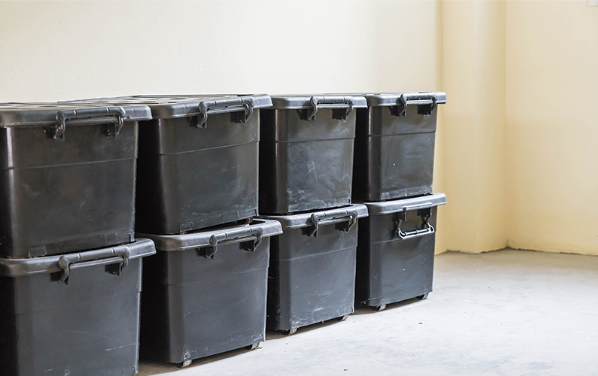
A bin chute system is an essential component of trash management infrastructure, especially in high-rise residential and commercial buildings. This system is designed to simplify waste disposal from various building levels to a single collecting point. While its function may appear easy, a bin chute’s lifecycle consists of several critical stages, each contributing to the system’s safety, hygiene, and operating efficiency.
Design and Planning Phase
The lifecycle of a bin chute begins with meticulous design and planning. Architects and engineers must consider the building’s layout, fire safety codes, waste collection patterns, and user accessibility. A properly designed chute system should ensure smooth waste flow, minimise blockages, and prevent odours from permeating living spaces. Bin chute designs must also comply with strict building and fire safety regulations, which can include the integration of fire-rated doors, smoke seals, and venting systems. Additionally, planners must account for waste segregation capabilities to support sustainability goals, such as separate chutes for recyclables or organic waste.
Manufacturing and Installation
Once the design is finalised, the bin chute system moves to the manufacturing and installation stage. Chutes are typically fabricated from durable materials such as stainless steel or galvanised metal, ensuring resistance to corrosion and long-term wear. The fabrication process must adhere to precise specifications, as poorly manufactured components can lead to operational issues like misalignment, excessive noise, or chute jamming. Installation is equally critical, requiring skilled technicians to assemble and align the chute sections properly within the building’s shaft. The junctions between each segment must be sealed to prevent leakage, while hopper doors must be correctly fitted to ensure safe usage by residents. Quality assurance at this stage is essential to avoid future maintenance headaches.
Daily Operation and Usage
Once installed, the rubbish chute enters its operational phase, serving as the conduit for residents to dispose of daily waste conveniently. A well-designed chute should enable smooth, uninterrupted waste flow from individual floors to the central refuse collection area. However, operational challenges can arise due to misuse or neglect. Common issues include residents disposing of oversized items, liquids, or prohibited materials that can cause blockages, damage the internal chute lining, or pose fire risks. Regular reminders and signage about proper usage can help mitigate these problems.
ALSO READ: How to Find a Suitable Bin for Your Office
Maintenance and Repairs
No chute system remains maintenance-free. Over time, bin chutes accumulate residue, grease, and odour-causing bacteria, particularly in humid climates. Regular cleaning schedules, typically involving high-pressure water jets and disinfectants, are necessary to maintain hygiene standards and prevent pest infestations. Maintenance also includes inspecting chute integrity, checking fire safety mechanisms, and ensuring the mechanical parts of hopper doors function smoothly. Minor issues can escalate into major repairs if neglected, requiring temporary system shutdowns and disrupting waste disposal services.
End-of-Life and Replacement
Eventually, a bin chute system will reach the end of its operational lifespan. Factors such as persistent blockages, corrosion, or outdated fire safety features can render an existing chute non-compliant with updated building codes. At this stage, building management must decide whether to repair, retrofit, or completely replace the system. Retrofitting can extend the life of a chute by integrating new components or upgrades, such as odour control units or recycling chute attachments. However, full replacement may be the only viable solution in cases where the structure has degraded significantly. Planning for replacement requires careful coordination to minimise disruption to residents and ensure compliance with current regulations.
Conclusion
The lifecycle of a bin chute encompasses careful design, precise installation, responsible use, routine maintenance, and eventual replacement. Each phase is integral to ensuring the chute system remains safe, efficient, and compliant with industry standards. As waste management continues to evolve, the humble bin chute remains a vital, if often overlooked, part of building infrastructure that supports clean and functional urban living.
Visit Ausko to ensure your building’s waste disposal system is safe, hygienic, and compliant with the latest regulations.