

Singapore’s residential market is undergoing a gradual but meaningful shift toward long-term living. Homebuyers today are increasingly viewing their properties not as short-term assets or stepping stones, but as environments where they expect to live, grow, and adapt over many years. This change in mindset has influenced how residential developments are planned, designed, and marketed, with greater emphasis on livability, flexibility, and enduring value rather than quick turnover.
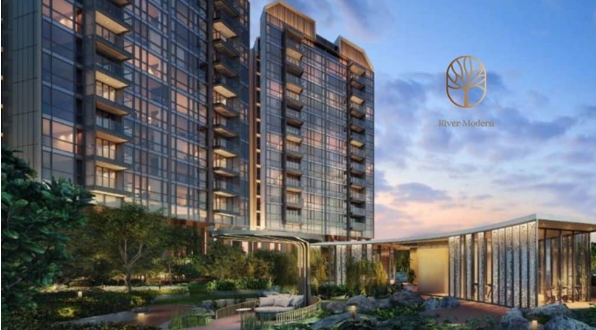
Projects as Narra Residences and River Modern reflect this evolving approach to housing, each responding to long-term living trends in different but complementary ways.
The Rise of Long-Term Living as a Priority
Long-term living prioritizes comfort, adaptability, and daily usability over short-term gains. Buyers want homes that can support multiple life stages, from early careers to family life and even downsizing, without requiring frequent relocation. This shift is being driven by several interconnected factors.
One major influence is rising renovation and construction costs. Renovating a home in Singapore has become increasingly expensive due to higher material prices and labour constraints. As a result, buyers prefer homes that are well-designed from the outset, reducing the need for costly modifications later. Practical layouts, efficient storage, and durable finishes have become essential decision factors.
Changing work patterns have also played a significant role. The rise of hybrid and remote work has increased the importance of having flexible living spaces. Buyers now value layouts that can accommodate home offices, study areas, or multi-purpose rooms without compromising comfort. Homes are no longer just places to rest; they are functional environments for work, leisure, and family life.
Additionally, there is a growing desire for residential stability. With lifestyle priorities shifting toward well-being and long-term planning, many buyers are choosing to settle into homes that offer continuity and a strong sense of community. This stability provides emotional security and supports long-term financial planning.
Long-Stay Appeal at Narra Residences
Narra Residences aligns strongly with long-term living trends through adaptable layouts and thoughtful residential planning. Homes are designed to evolve with residents, allowing spaces to be reconfigured as needs change over time. This reduces the pressure to upgrade or relocate as family sizes, work arrangements, or lifestyle preferences shift.
Such design choices enhance daily comfort while also protecting long-term value. Residents benefit from homes that remain functional and relevant, while owners enjoy stronger retention and satisfaction over extended periods.
Urban Longevity at River Modern
While River Modern supports a more urban lifestyle, it still aligns well with long-term demand through efficiency and enduring appeal. Its design focuses on manageable living spaces, convenient access, and features that remain attractive to both owner-occupiers and tenants over time. Properties that are easy to maintain and consistently desirable support long-term market relevance, particularly in well-connected urban settings.
Market Implications of Long-Term Living
Developments that support long-term living tend to experience lower turnover, more stable pricing, and stronger buyer confidence. These factors contribute to healthier residential communities and a more resilient property market overall.
Conclusion
Singapore’s residential market is clearly adapting to long-term living trends through more thoughtful design and planning. Narra Residences and River Modern demonstrate how different development strategies can successfully support this evolution, catering to both residential stability and long-term value in a changing housing landscape.