

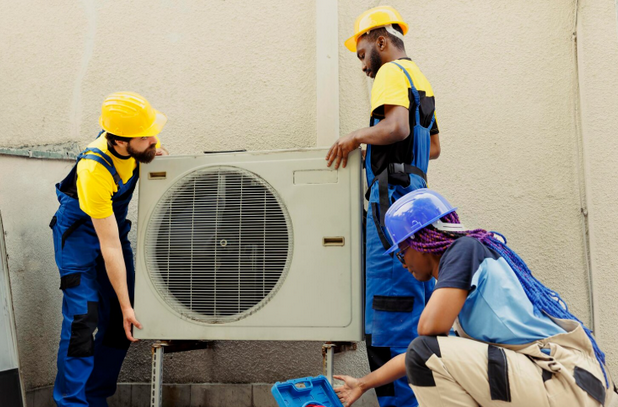
The heat of a long summer puts a massive strain on your air conditioning system. Your AC likely ran for many hours every day to keep your home comfortable. This constant operation leads to significant wear and tear on internal components. Once the temperatures finally begin to drop, your system needs a little extra attention. Scheduling an end of summer HVAC maintenance visit is the best way to restore lost efficiency. It allows a professional to address the stress caused by months of heavy cooling. Taking care of your unit now prevents small issues from turning into major breakdowns.
Restoring efficiency is not just about comfort; it is about your monthly budget. A clean and well-maintained system uses much less electricity to cool your home. Over time, dust and grime build up on the sensitive parts of your AC. This buildup forces the motor to work harder and run longer cycles. Servicing the unit after summer can lower your future utility bills. You also extend the overall lifespan of your expensive cooling equipment. Investing in a quick tune-up today saves you from a total system replacement tomorrow.
Inspect and Clean the Air Filters
Air filters are your system’s first line of defense against dust and pollen. During the peak of summer, these filters work overtime to keep your air clean. By the time autumn arrives, they are often completely clogged with thick debris. A dirty filter severely restricts airflow throughout your home. This restriction makes the entire system struggle to breathe and circulate cool air. It puts unnecessary pressure on the blower motor, which can lead to overheating.
Replacing or cleaning your filters is a simple yet highly effective task. Clean filters immediately to improve your family’s indoor air quality. They allow the system to reach your desired temperature much faster than before. You should check your filters once a month, especially after a smoky or dusty summer. Keeping them clean ensures that your AC remains energy-efficient and reliable. It is one of the easiest ways to protect your home’s cooling investment.
Check and Clean the Outdoor Condenser Unit
Your outdoor condenser unit is exposed to the elements year-round. During the summer, it can accumulate grass clippings, leaves, and blowing dirt. This debris accumulates on the condenser coils, blocking heat transfer. If the heat cannot escape the unit, your home will not stay cool. Poor heat exchange forces the compressor to run at higher temperatures. This leads to increased energy consumption and a higher risk of mechanical failure.
It is vital to ensure there is proper clearance around the outdoor unit. Aim for at least two feet of open space on all sides. Remove any tall weeds or shrubs that have grown close to the metal fins. A professional technician will use specialized cleaners to clean the delicate coils safely. This deep cleaning restores the unit’s ability to effectively release heat. Maintaining a clean exterior is essential for a high-performing air conditioning system. To ensure everything is handled correctly, many homeowners book an end of summer HVAC maintenance appointment.
Inspect Refrigerant Levels
Refrigerant is the lifeblood of your air conditioning system. It is the substance that actually carries heat away from your living spaces. If your refrigerant levels are low, the system cannot cool your home efficiently. The air coming from the vents feels lukewarm. Low levels often indicate a tiny leak somewhere in the copper lines. Running a system with low refrigerant can cause the cooling coils to freeze over completely.
A professional technician has the tools to detect even the smallest refrigerant leaks. They will measure the pressure to ensure it meets the manufacturer’s specifications. If a leak is found, it must be repaired before adding more refrigerant. Topping off the system ensures optimal cooling performance for the remainder of the season. Proper levels also prevent the compressor from overheating and burning out. Keeping this fluid balanced is key to a smooth-running AC unit.
Examine Thermostat Accuracy
Your thermostat acts as the brain of your entire HVAC system. If the thermostat is inaccurate, your AC will not cycle correctly. You should test your settings to ensure the reading matches the actual room temperature. Even a discrepancy of a few degrees can lead to wasted energy. Sometimes, a simple battery change or a dust cleaning is all a thermostat needs. Calibration ensures your home stays at a consistent, comfortable level.
If you are still using an outdated manual thermostat, consider upgrading. Smart thermostats offer much better energy management for modern homeowners. They allow you to create schedules that reduce cooling when you are away. Some models even provide energy reports to help you track your usage habits. A properly calibrated thermostat reduces the number of times your AC starts and stops. This consistency helps maintain indoor comfort while protecting your system from short-cycling.
Clean Evaporator and Condenser Coils
Both the indoor evaporator coil and the outdoor condenser coil get dirty. Continuous summer operation allows a film of grime to coat these metal surfaces. Dirty coils act like an unwanted layer of insulation on your system. This layer prevents the refrigerant from absorbing or releasing heat as it should. As a result, your AC’s cooling capacity drops significantly. Your compressor has to work much harder to achieve the same cooling results.
● Technicians use specific brushes to remove loose dust from the fins.
● Chemical cleaners dissolve stubborn grease and organic buildup.
● Cleaning the coils prevents the system from overheating during operation.
● Clean coils reduce the total runtime of each cooling cycle.
● Regular coil maintenance helps prevent expensive compressor failure.
● A clean system provides better humidity control for your indoor air.
Check Electrical Connections and Components
Electricity powers every part of your air conditioning system. Over the summer, the unit’s vibrations can loosen various wires. Loose electrical connections are a common cause of system malfunctions. They can also create dangerous safety risks, such as electrical fires or shorts. During a post-summer service, a technician will tighten all terminals. They also inspect the capacitors, which help start the motors.
Worn-out capacitors are a common cause of AC units failing to start. An inspection helps catch these failing parts before they leave you in the heat. Technicians also look for signs of scorched wiring or frayed insulation. Replacing a small electrical component is much cheaper than replacing a motor. Routine electrical checks ensure your system remains safe and reliable for years to come. Do not ignore the humming or clicking sounds that suggest electrical distress.
Inspect Drain Lines and Remove Blockages
Your AC does more than cool the air; it also removes humidity. This moisture collects in a pan and flows out through a condensate drain line. Over the summer, this line can become a breeding ground for algae and mold. If the drain line gets clogged, water will back up into your home. This can lead to serious water damage to your floors or ceilings. It also creates a damp environment where mold can thrive and spread.
Cleaning the drain line is a vital part of post-summer maintenance. Technicians often use a vacuum or specialized tablets to keep the line clear. They also inspect the overflow pan for any signs of rust or leaks. Ensuring proper moisture removal protects your home’s structural integrity. A clear drain line also prevents the “musty” smells often associated with older AC units. Keeping the water flowing out is just as important as keeping the air flowing in.
Test Overall System Performance
The final step of a post-summer service is a full performance test. The technician will run the system and measure the cooling output. They check the temperature difference between the supply and return air. This data tells them exactly how efficiently the system is operating. They also listen for any unusual noises, such as grinding, squealing, or rattling. Unusual vibrations often point to a loose fan blade or a failing bearing.
Performance testing allows you to detect hidden issues before they get worse. It provides a baseline for how your system should behave in the future. If the airflow is weak, the technician can look for leaks in your ductwork. Addressing these issues now ensures the system is ready for winter storage. You do not want to start next spring with a broken air conditioner. A final checkup gives you the confidence that your HVAC system is in peak condition.
Schedule Professional HVAC Maintenance
While homeowners can change filters, a professional is needed for deep maintenance. Booking an expert after the summer peak is a very smart move. Technicians have the specialized tools to clean coils and test electrical loads. They can perform a detailed inspection that covers every inch of your equipment. Professional servicing improves the reliability of your system for the long haul. It also helps you maintain any active manufacturer warranties on your unit.
Regular service is the most effective way to reduce future repair costs. A technician can spot a small crack or a worn belt before it snaps. This preventive care keeps your system running at maximum efficiency for as long as possible. Many local companies offer seasonal maintenance plans for added convenience. Taking action now ensures your home stays comfortable regardless of the weather outside. Your HVAC system is a complex machine that deserves high-quality professional care.
Conclusion
A post-summer AC service is the best investment you can make for your home. It restores efficiency, lowers your bills, and prevents sudden mechanical failures. By cleaning the coils, checking the refrigerant, and clearing the drains, you protect your comfort. Do not wait for a total breakdown to call for help. Being proactive today ensures your system stays reliable for many years. Reach out to a local expert to schedule your maintenance and enjoy total peace of mind.