

In a world increasingly dominated by screens and structured schedules, helping children build confidence through outdoor play is more important than ever. The garden, often overlooked, is the perfect starting point. A safe, familiar space just beyond your back door can offer countless opportunities for growth, self-expression, and adventure. From a simple game of hide and seek to bouncing on a trampoline or exploring a variety of jeux d’extérieur (outdoor games), the garden becomes more than a place to play—it becomes a platform for confidence to bloom.
Why Outdoor Play Builds Confidence
Outdoor play naturally fosters independence and creativity. When children step outside, they enter an unstructured environment where they make the rules, take risks, and solve problems. Whether they’re climbing, running, or inventing their own games, they’re developing a sense of self-reliance that can’t be easily replicated indoors.
Playing outside also allows children to take manageable risks, which is key to confidence-building. Whether it’s daring to jump a bit higher on the trampoline or trying a new piece of outdoor equipment, these experiences teach resilience. Even when they fall, they learn that they can get back up again, stronger and more assured.
Creating a Confidence-Boosting Garden Space
To encourage outdoor play, your garden should be a welcoming, stimulating place. You don’t need acres of land or fancy landscaping—just a few well-considered additions can turn your outdoor space into a haven for imaginative and physical play.
1. Incorporate Varied Play Zones
Diverse play options can help appeal to different personalities. Some children may thrive on physical challenges like climbing or jumping, while others prefer quieter, imaginative play.
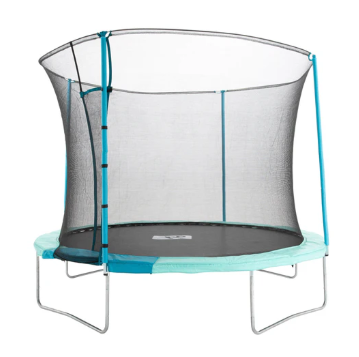
- Trampoline: A trampoline is not only a great form of exercise but also a wonderful tool for building confidence. With every jump, children learn to trust their bodies and push their limits in a controlled, safe way.
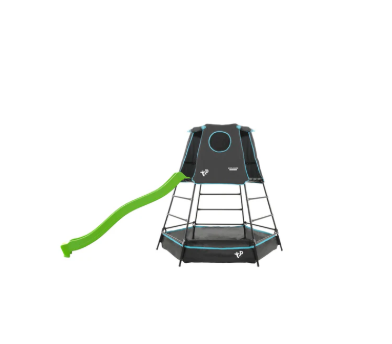
- Jeux d’extérieur: Think beyond the usual swings and slides. Incorporate a range of outdoor games such as balance beams, stepping stones, and obstacle courses. These encourage motor skills, coordination, and problem-solving.
- Quiet corners: Create a cosy nook with cushions or a teepee tent where children can relax or engage in quiet, imaginative games. It’s important they know it’s okay to pause and reflect too.
2. Encourage Nature Play
Confidence isn’t just about physical prowess. It’s also about curiosity, imagination, and comfort with the unknown. Allowing children to interact with nature can support these qualities beautifully.
- Plant a small garden bed and let your child take the lead in planting, watering, and observing growth. This sense of responsibility fosters self-worth.
- Create a bug hotel or a wildlife corner to encourage exploration.
- Use natural elements like logs, stones, and sticks for building, balancing, or crafting.
Supporting Your Child’s Emotional Growth Outside
Boosting confidence isn’t only about physical play—it’s also about emotional growth. Your role as a parent or caregiver is crucial in helping your child feel secure enough to explore and take risks.
1. Allow for Free Play
While structured activities have their place, children build the most confidence when they can decide what and how to play. Avoid hovering or directing their play. Instead, offer encouragement from a distance and let their imagination lead.
2. Praise Effort, Not Just Outcomes
When your child finally climbs to the top of the climbing frame or completes a homemade obstacle course, focus on the effort they put in rather than just the achievement. Phrases like “You worked really hard at that!” or “I saw how brave you were to try something new!” reinforce the value of persistence and courage.
3. Join In When Invited
Sometimes, the best way to encourage your child to play outside is to join them. Kick a ball, bounce on the trampoline, or pretend you’re explorers in a magical forest. Shared play can build connection and show your child that outdoor fun is for everyone.
Overcoming Confidence Barriers
Not every child feels naturally confident outdoors, and that’s okay. Some might be wary of getting dirty, nervous about falling, or unsure how to begin playing.
1. Start Small
If your child is hesitant, start with small, achievable goals. A few minutes on the trampoline, a short nature hunt, or a simple game of catch can ease them into outdoor play.
2. Model Confidence
Children often mirror the behaviour of adults. Show them that it’s okay to try, fail, and try again. Laugh at your own mistakes and take on mini-challenges in the garden yourself.
3. Celebrate Progress
Keep track of your child’s outdoor milestones and celebrate them. Whether it’s finally swinging across the monkey bars or inventing a brand-new garden game, these moments matter.
Making Outdoor Play a Daily Habit
To truly see the benefits of outdoor play, make it a regular part of your child’s life. Even just 20 minutes a day can make a difference.
- Set up a routine where outdoor play happens after school or before dinner.
- Create seasonal traditions, like summer picnics or autumn leaf collecting.
- Keep outdoor toys like balls, chalk, or jeux d’extérieur easily accessible.
Final Thoughts
Helping your child build confidence through outdoor play isn’t about elaborate toys or expansive gardens. It’s about giving them the freedom to explore, the encouragement to try, and the space to grow. Whether they’re leaping on a trampoline, building fairy houses out of twigs, or mastering new jeux d’extérieur, your garden can become the starting point of countless adventures and lifelong self-belief.
So open the back door, step outside, and let the journey to garden greatness begin.